
Slip And Fall Accidents On Commercial Property
A slip and fall accident on commercial property can happen in seconds but the impact can last months or even years. Grocery stores, shopping malls, hotels, restaurants, and office buildings all have a duty to keep their premises reasonably safe for visitors. When they fail to correct hazards or warn about dangers, serious injuries can occur. Understanding your rights and the steps to take after a fall can make a significant difference in the outcome of your personal injury claim. Below, our colleagues at Loshak Law PLLC explain important elements of slip and fall accidents on commercial property.
Common Causes of Slip and Fall Accidents
Slip and fall incidents occur in many ways but several hazards frequently appear in commercial settings. Wet floors from spills or mopping create major risks. Uneven flooring, loose carpeting, or broken tiles can catch a person off guard. Poor lighting makes hazards harder to see and cluttered walkways can create tripping dangers. Outdoor entryways may accumulate water or debris leading to slick surfaces. In each scenario property owners are responsible for identifying hazards and taking steps to fix or warn about them.
Understanding Premises Liability
Premises liability is the legal principle that holds property owners responsible for maintaining safe conditions. To succeed in a claim you must show that the owner or manager failed to use proper care. This means proving the hazard existed long enough that it should have been discovered or that the owner created or ignored the dangerous condition. Businesses are expected to conduct regular inspections and implement safety protocols to reduce foreseeable risks.
What To Do Immediately After a Slip and Fall
Your actions after the accident are crucial. Always report the incident to the property manager or on duty employee. Ask for an incident report and request a copy if possible. Document the scene by taking photos and videos of hazards including spills uneven floors or missing warning signs. Gather names of witnesses who saw the fall or the dangerous condition. Seek medical attention right away even if pain seems minor since some injuries take time to appear. Consistent medical documentation strengthens your case.
Common Injuries From Slip and Fall Accidents
Slip and fall injuries vary widely. Many people suffer sprains bruises and soft tissue injuries. More serious cases involve fractures especially of the wrist hip or ankle. Head injuries including concussions or traumatic brain injuries may occur if the person strikes the ground forcefully. Back injuries herniated discs and shoulder injuries are also common. Treatment may involve physical therapy medication or surgery depending on severity.
How Liability Is Determined
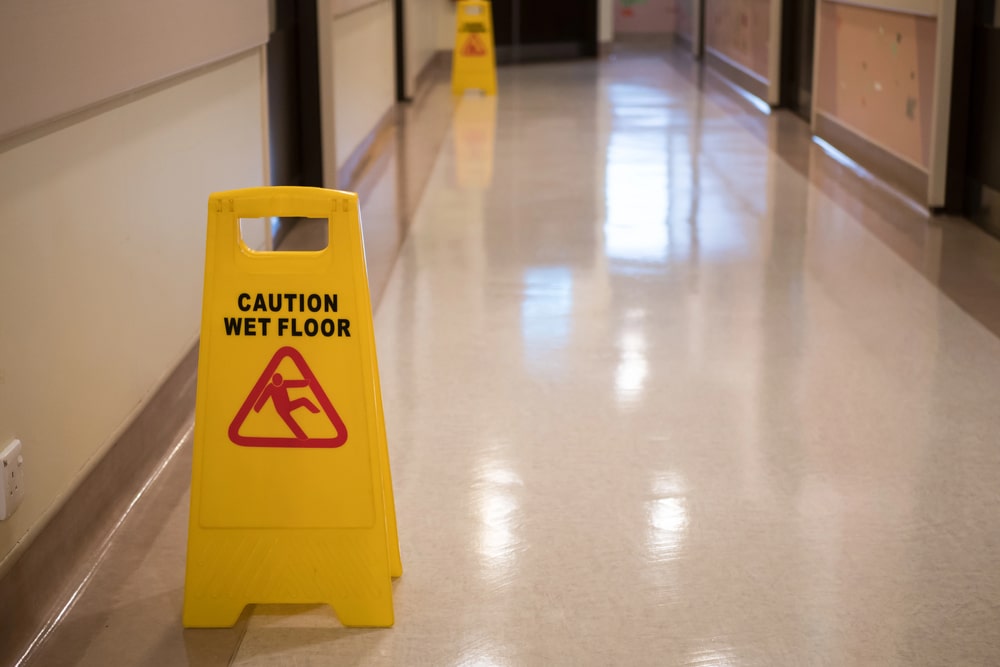
Liability often hinges on whether the property owner knew or should have known about the hazard. Courts examine inspection logs employee statements and surveillance footage. If a spill existed for an extended period without cleanup or if employees failed to follow policies the business may be held responsible. Warning signs play a key role. If a warning sign was properly placed liability may be reduced but if no sign was present or it was placed incorrectly the owner may be fully responsible.
Challenges You May Face in a Claim
Businesses and their insurance companies often fight slip and fall claims aggressively. They may argue that you were distracted or not watching where you were going. They may claim the hazard was open and obvious or that you were wearing inappropriate footwear. Some argue that the fall did not cause your injuries or that the injuries were pre existing. Overcoming these challenges requires strong evidence timely medical treatment and legal guidance.
How To Strengthen Your Case
You can take several steps to protect your rights. Preserve the shoes and clothing you wore and do not wash them. Follow all medical recommendations and keep records of your appointments treatments and limitations. Avoid speaking with insurance adjusters without legal help because statements you make may be used against you. Maintain a journal describing pain mobility issues and how the injury affects your daily life.
When To Contact an Attorney
Slip and fall cases on commercial property often involve complex questions of negligence and liability. A slip and fall lawyer can investigate the scene, gather evidence, interview witnesses, and obtain video footage before it is erased. They can work with medical specialists to document your injuries and calculate damages including medical costs, lost wages, and pain and suffering. Legal representation significantly increases your chances of receiving fair compensation.
Conclusion
Slip and fall accidents can lead to significant physical and financial challenges. Commercial property owners have a duty to ensure their premises are safe and when they fail to do so injury victims have the right to pursue compensation. Acting quickly and securing legal support can help you build a strong claim and protect your future.